
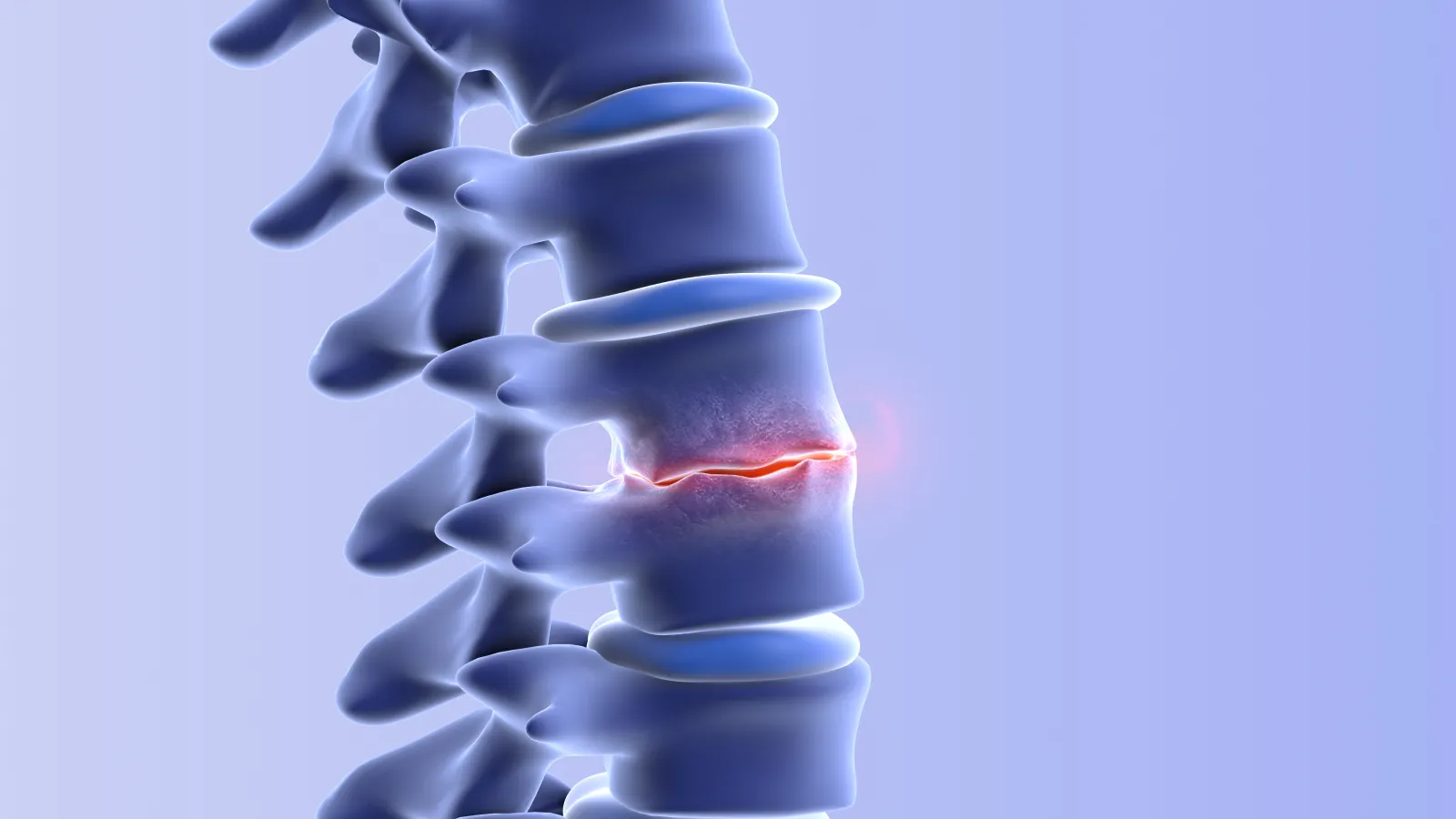
SPINAL STENOSIS
Proliance Orthopedic Associates


ABOUT THIS CONDITION
Spinal stenosis is a narrowing of the spaces within the spine, which can put pressure on the spinal cord and the nerves that travel through the spine. It most commonly occurs in the lumbar spine (lower back) and the cervical spine (neck) and is one of the most frequent causes of spine surgery in adults over 65.
The narrowing is most often caused by age-related degenerative changes — thickened ligaments, enlarged facet joints, bone spurs, and bulging discs gradually encroach on the space available for the nerves. Less commonly, stenosis can result from a congenital narrow spinal canal, spinal injuries, or tumors.
Lumbar stenosis classically causes neurogenic claudication — pain, heaviness, numbness, or tingling in the buttocks and legs that develops with walking or standing and is relieved by sitting down or leaning forward (such as pushing a shopping cart). Cervical stenosis can compress the spinal cord itself, causing difficulty with balance, coordination, fine motor tasks, and in severe cases, weakness in the arms and legs. Spinal stenosis is primarily a condition of aging, with most patients developing symptoms after age 50. It is progressive, though the rate of progression varies. Many patients manage their symptoms effectively for years with conservative treatment.
TREATMENT
Treatment begins with non-surgical management for the majority of patients. Dr. Daniel Oh develops individualized conservative treatment plans that may include physical therapy focused on core strengthening, flexibility, and aerobic conditioning. Anti- inflammatory medications help manage pain and inflammation. Epidural steroid injections can provide significant relief by reducing swelling around the compressed nerves, often lasting weeks to months. Activity modification, including using a cane or walker for balance and taking rest breaks during walking, can help patients maintain their independence.
When conservative treatment no longer controls symptoms and stenosis is significantly limiting daily activities, Dr. Chris Howe and Dr. Jason Thompson may recommend surgical decompression. The most common procedure is a laminectomy, in which the bone and thickened ligaments compressing the nerves are removed to create more space. If there is instability or significant deformity, a fusion may be performed at the same time. Decompression surgery has a success rate of approximately 80 to 85%, with most patients experiencing significant improvement in their ability to walk and stand comfortably. Procedures are performed at Proliance Surgery Center at Valley in Renton.
RECOVERY
FREQUENTLY ASKED QUESTIONS
Q What causes spinal stenosis?
The most common cause is age-related degenerative changes in the spine — thickened ligaments, bone spurs, enlarged joints, and bulging discs gradually narrow the space available for the nerves. It is a normal part of aging, though not everyone develops symptoms.
Q Can spinal stenosis be treated without surgery?
Yes. Many patients manage their symptoms effectively for years with physical therapy, medications, injections, and activity modification. Surgery is recommended when conservative treatment is no longer controlling symptoms and the condition is significantly limiting daily activities.
Q What is neurogenic claudication?
Q How effective is surgery for spinal stenosis?
Decompression surgery has a success rate of approximately 80 to 85%, with most patients experiencing significant improvement in their ability to walk, stand, and perform daily activities. Surgery is most effective for leg symptoms; back pain improvement is less predictable.
Q Will I need a fusion along with decompression?
Q How long does recovery from stenosis surgery take?
Most patients notice improvement in walking within the first month. Full recovery takes two to six months for decompression alone and up to twelve months when fusion is performed.
Q Can spinal stenosis come back after surgery?
Q Is spinal stenosis dangerous?
Spinal stenosis is generally not dangerous, though it can significantly affect quality of life. In rare cases, severe cervical stenosis can cause spinal cord compression requiring more urgent treatment. Severe lumbar stenosis can also rarely affect bladder and bowel function, which requires prompt evaluation.