
Southeast Asia Journey, Part 6: Lab Experience in Indore, India
Written by: Dr. Timothy Alton
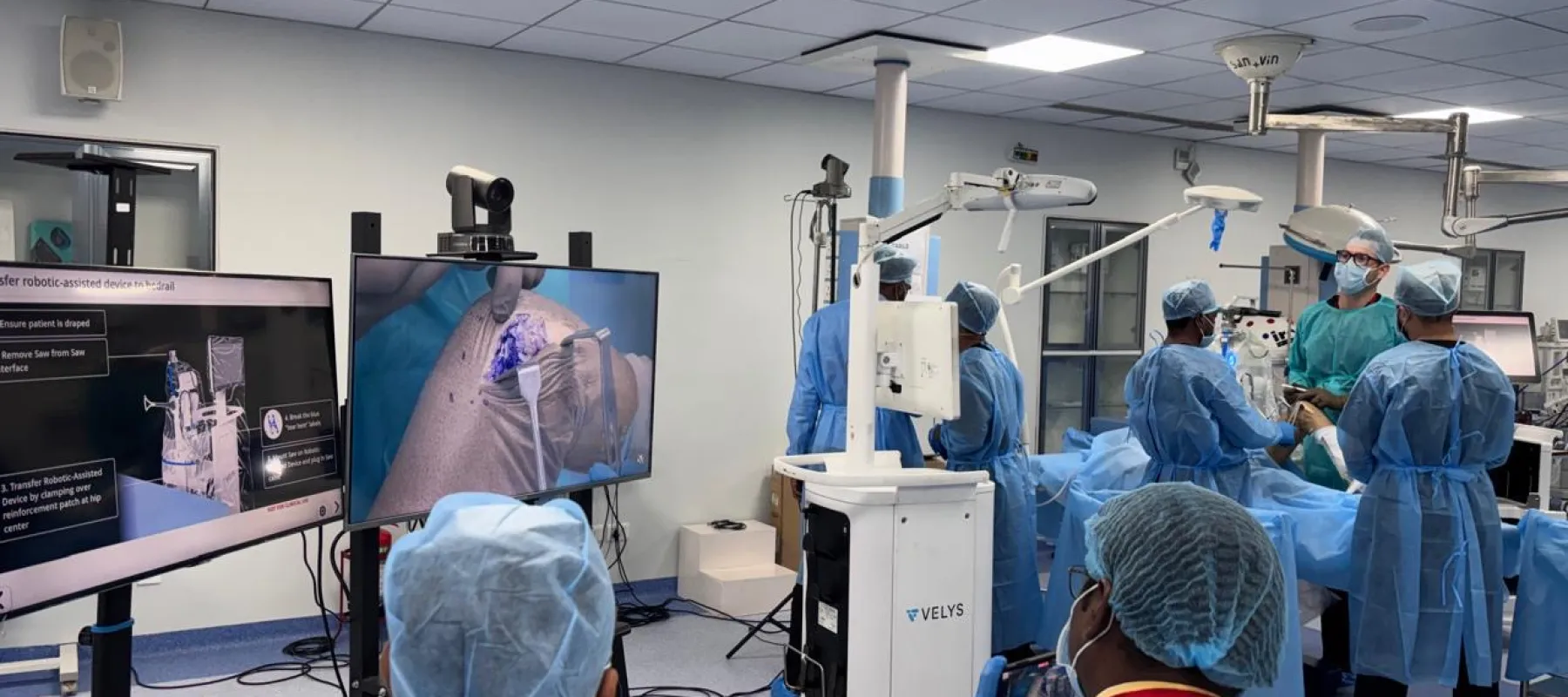
After a very late departure from Lucknow, we spent a short time in Delhi before flying to Indore—known as the cleanest city in India. This stop focused on an exciting development in Indian orthopedics: the launch of robotic partial knee replacements. As one of the early adopters of this technology in the United States, it was a privilege to help introduce and teach these concepts to surgeons who are just beginning their journey with robotic-assisted unicompartmental knee replacement.
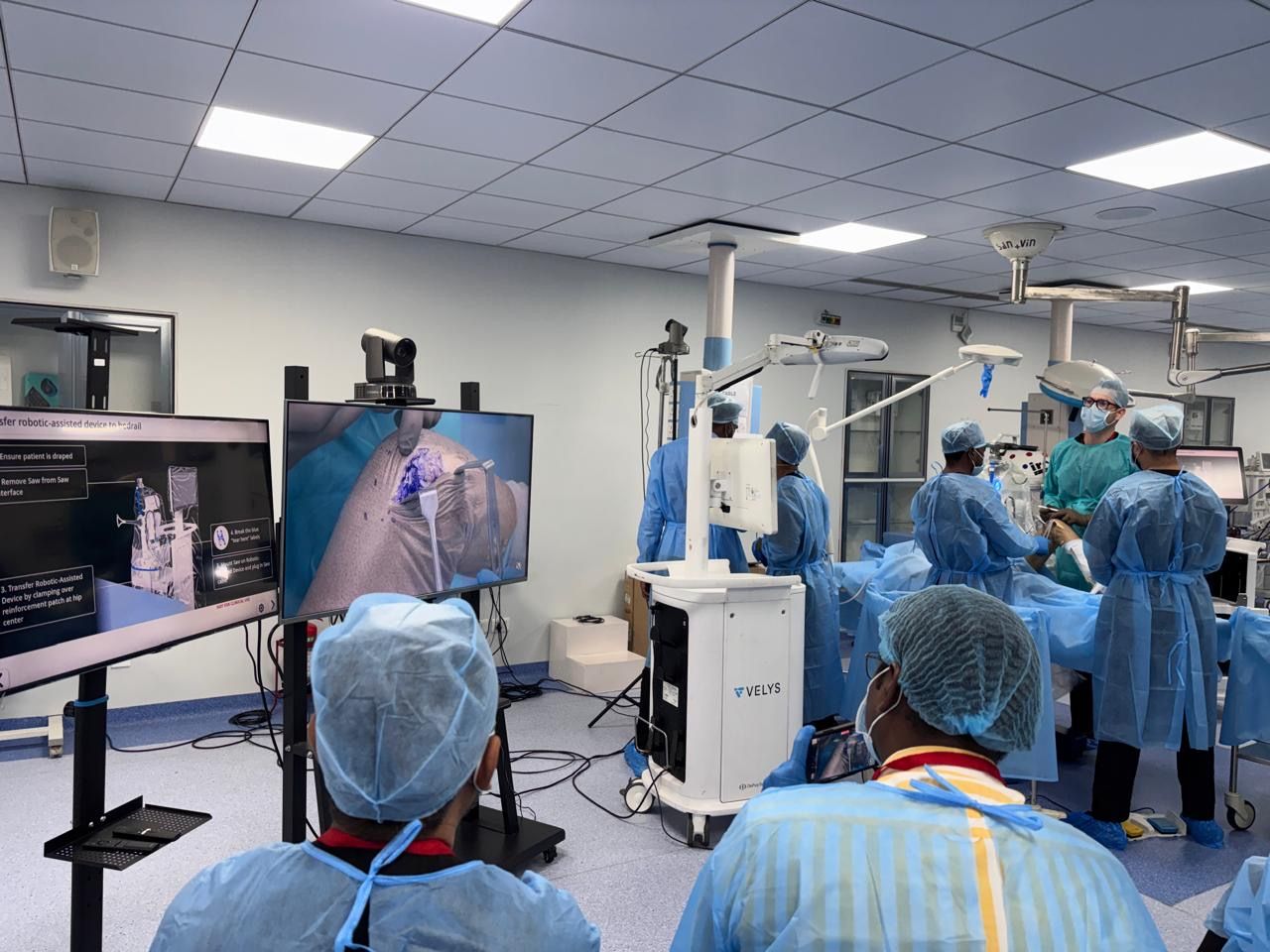
In Indore, I hosted a hands-on cadaver lab experience with more than a dozen surgeons from across India. We began with an in-depth discussion about partial knee replacement implants, my early experiences with robotic technology, and how our team worked through the learning curve. We focused on the crucial steps of resurfacing the femur, correcting the hip-knee-ankle (HKA) axis, and achieving balanced soft tissues—key elements for successful outcomes in partial knee replacement.
Because partial knee replacement is a technically demanding operation, we spent considerable time reviewing how robotics can dramatically improve precision and consistency. The surgeons asked excellent questions about the technology, workflow, and intraoperative decision-making. We explored how muscle-sparing approaches combined with robotic accuracy can reduce variability and enhance recovery, especially for patients with isolated unicompartmental disease.
The cadaver lab itself was the highlight of the day. We worked through cases together, examined each step in detail, and shared techniques for optimizing implant positioning and ligament balance. Having real-time, hands-on interaction allowed the surgeons to experience the system in a meaningful way, and it gave me the opportunity to pass along many of the tips and tricks we learned earlier in our journey—helping them accelerate their own learning curve.
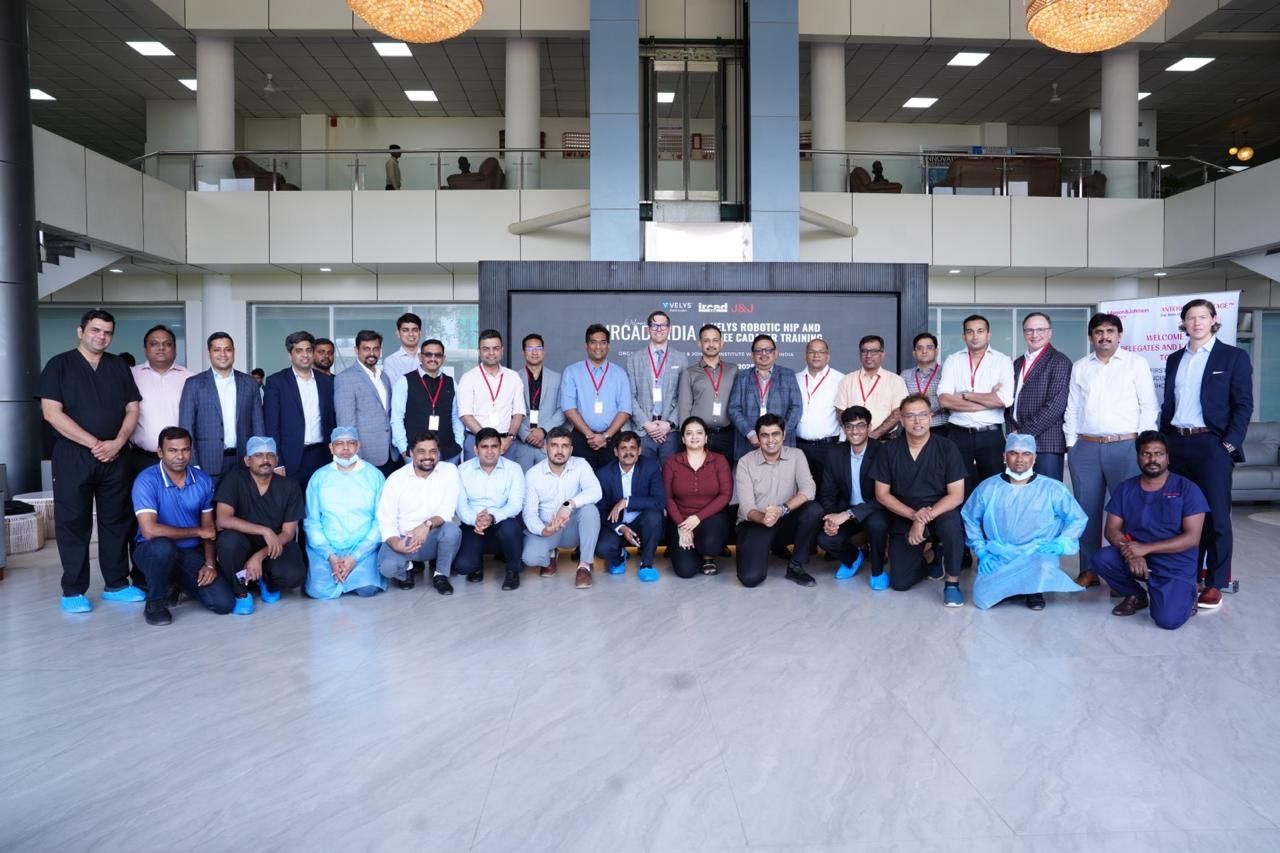
That evening, we joined several key opinion leaders from across India for a wonderful dinner, preparing for the next day's session focused on anterior approach total hips and VELYS hip navigation. The time in Indore was incredibly rewarding, combining thoughtful discussion, hands-on learning, and collaborative problem-solving. Seeing the enthusiasm for partial knee robotics and being part of this early phase of adoption in India was a privilege and a memorable part of the Southeast Asia journey.