
Southeast Asia Journey, Part 4: Outpatient Surgery Around the World
Written by: Dr. Timothy Alton
One of the most interesting themes during my time in Indonesia and Singapore was the global shift toward outpatient joint replacement surgery. In the United States, it has become increasingly common for patients to go home the very same day as their knee or hip replacement—often more common now than staying in the hospital overnight. This transformation has taken years of refining surgical techniques, anesthesia protocols, pain control regimens, and postoperative pathways, and it has dramatically improved the patient experience.
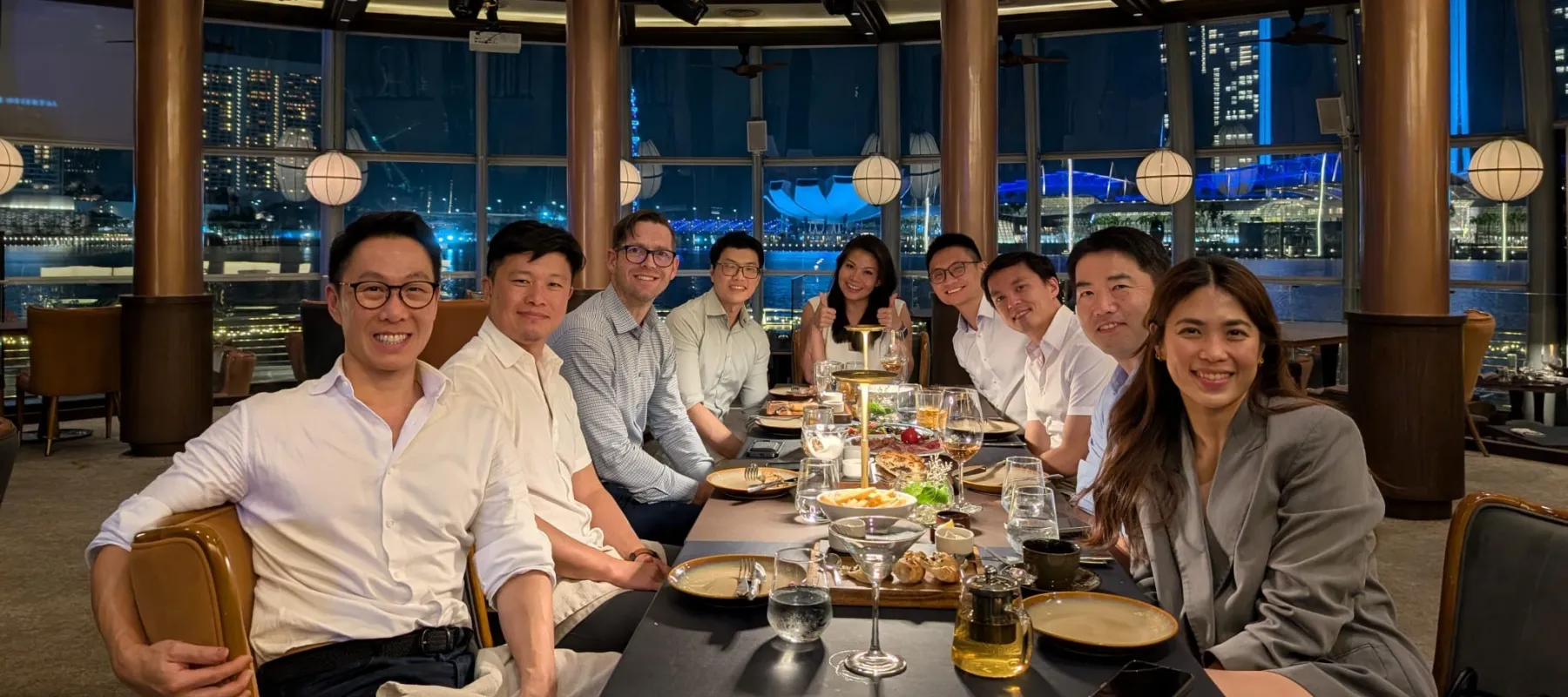
In Indonesia, the culture and expectations are still transitioning. It is common for patients to stay in the hospital for three or four days after surgery, often due to tradition, recovery expectations, and the structure of the healthcare system. While the length of stay is longer than what we see in the U.S., the same forces that drove change here—improved pain control, muscle-sparing approaches, and optimized anesthesia—are beginning to shape conversations there as well. I had the opportunity to discuss these shifts with several surgeon groups during dinner and lunch talks, and their interest was enthusiastic and forward-thinking.
Singapore is a step further along the same pathway, with many centers actively working toward shorter hospital stays and exploring same-day discharge for appropriate patients. Similar to Indonesia, the focus is on building the right systems: optimizing multimodal pain protocols, using muscle-sparing surgical approaches, managing perioperative issues like urinary retention and low blood pressure, and ensuring that patients have proper support at home. The discussions I hosted in Singapore centered on how these elements come together to make shorter stays both safe and predictable.
One of the areas we focused on was how to safely accelerate recovery without compromising patient comfort or surgical outcomes. I shared our experience at the Proliance Surgery Center at Valley, where we have been very successful with same-day joint replacements. By combining minimally invasive techniques, thoughtful anesthesia planning, and careful patient education, we have been able to safely send patients home within hours of their procedure. These lessons resonated strongly with surgeons in both Indonesia and Singapore, who are working to build similar pathways tailored to their own healthcare environments.

It was a privilege to share our successes, challenges, and insights as these international teams work toward decreasing hospital length of stay and moving toward outpatient surgery. Seeing the global orthopedic community embrace rapid-recovery principles reminds me how connected we all are in our mission to improve patients' lives. The shift toward shorter stays and same-day surgery is a worldwide movement, and it was inspiring to see Indonesia and Singapore each making progress along this shared journey.