

Shoulder Pain: Causes, Symptoms, and Treatment Options
Written by: Dr. Sean Haloman
Shoulder pain is one of the most common reasons people seek orthopedic care. It may begin suddenly after a fall or develop gradually over time, making everyday tasks like reaching, lifting, or sleeping difficult. Because the shoulder is the most mobile joint in the body, it's also one of the most vulnerable to injury.
Sports medicine focuses on diagnosing and treating movement-related problems involving joints, muscles, and tendons. While often associated with athletes, it applies just as much to everyday activities like yoga, pickleball, gardening, and cooking. Repetitive use or strain can lead to pain, stiffness, or injury over time.
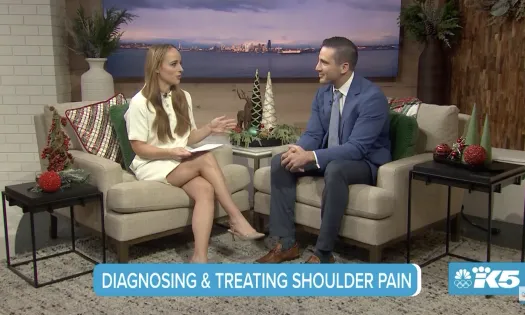
What Makes Shoulders So Vulnerable?
The shoulder allows the arm to move in nearly every direction. That freedom depends on a delicate balance between stability, mobility, and coordination. When one part of that system is disrupted, pain and dysfunction follow.
Common symptoms include pain with lifting or reaching, weakness, stiffness, and discomfort that worsens at night. For many people, shoulder pain at night and sleep disruption signal it's time to seek medical attention.
What's Causing Your Shoulder Pain?
Shoulder pain can look different depending on age, activity level, and overall joint health.
In younger individuals, pain is often related to shoulder instability, dislocations, labral tears, or ligament injuries. These problems may occur during sports or recreational activities but can also happen during routine movement. Arthroscopic shoulder surgery is often used to treat these conditions with minimal invasion.
In midlife, rotator cuff injuries and tendon problems become more common. Rotator cuff tear symptoms often develop gradually and may cause persistent pain, reduced strength, or difficulty lifting the arm overhead.
As people age, degenerative changes such as shoulder arthritis, falls, and fractures become more frequent. Arthritis occurs when cartilage breaks down, leaving the joint stiff and painful.
Starting with Non-Surgical Treatment
Most shoulder pain treatment begins conservatively. X-rays help identify structural changes, and treatment plans often include physical therapy, medications, or injections. These approaches can significantly reduce pain and improve function.
Surgery is considered when pain continues to interfere with daily activities and sleep despite conservative treatment.
When Surgery Makes Sense
In cases of advanced shoulder arthritis or complex rotator cuff injury, surgical treatment may offer lasting relief. Shoulder replacement surgery can restore smoother motion and reduce pain when other treatments are no longer effective.
Anatomic shoulder replacement is designed to replicate the natural structure of the joint. Reverse shoulder replacement surgery changes the mechanics of the shoulder, allowing it to function even when the rotator cuff is no longer working properly. This procedure is particularly effective for patients with both arthritis and rotator cuff damage.
Advances in shoulder surgery such as three-dimensional surgical planning and newer implant designs continue to improve accuracy, preserve bone, and reduce recovery limitations. Minimally invasive shoulder surgery techniques also help patients return to activities more quickly.
When Should You See a Doctor for Shoulder Pain?
Consider seeing an orthopedic specialist if you experience:
Shoulder pain that interferes with sleep or worsens at night
Pain that limits daily activities or persists despite rest
Weakness or loss of motion in the shoulder
Pain following a fall, injury, or accident
Symptoms that don't improve with conservative treatment after several weeks
Finding Shoulder Pain Treatment in South King County
At Proliance Orthopedic Associates, patients have access to comprehensive shoulder care, including diagnostic imaging, physical therapy, orthopedic urgent care for acute injuries, and outpatient surgical options when needed.
Sports medicine surgeon Sean Haloman, MD, specializes in treating shoulder conditions from rotator cuff tears to arthritis requiring shoulder replacement.
To schedule an appointment with Dr. Haloman, visit https://proliancesurgeons.co/DrHaloman-ShoulderCare.